Hidden heroes of Perfumes
If you’re even slightly curious about the magic behind perfumes, and I dare you to go deep like I did — you’ll tumble down a rabbit hole not just of scents, but of genius. Because behind every unforgettable perfume is a mastermind, a perfumer, weaving emotion and memory into every single note. Perfumers are the composers, the legendary directors you’ve never heard of — shaping the experience you wear on your skin.
Yet, in the industry? Their names are whispered, almost never spoken aloud. Big houses like Creed and Roja Parfums stamp their own names on the bottle, erasing the true creators. It’s only thanks to the passionate fragcomm — the bloggers, YouTubers, and fragrance fanatics — that we even discover the brilliant people behind our favorite olfactory concoctions.
Let’s wake up to some staggering numbers. Parfumo catalogs over 13,000 perfume houses. But trust me, my own collection includes bottles they’ve never even heard of — so let’s round it up to 20,000 perfume houses swimming in this universe of scent. Just in just the past six years, more than 15,000 perfumes were unleashed onto a crowded market, drowning us all in perfumer’s alcohol. Out of this tidal wave, how many truly stand out? Perfumery is a war zone of opinion, taste, and risk.
Imagine owning a perfume house. Do you gamble everything on two stellar launches a year, or just carpet-bomb the market with hundreds, hoping something sticks? Even giants like Guerlain, Chanel, Dior, Hermes — brands that shaped history — often flood the shelves with flankers, enough to keep you busy for a lifetime. And those “niche” indie brands? Most are now part of massive conglomerates obsessed with quarterly profits. Creativity takes a back seat; the market is awash with beast mode, syrupy-sweet crowd-pleasers (yes, I’m looking at you, BR540). Le Labo, Frederic Malle — snapped up by Estee Lauder. Comme des Garçons, Penhaligon’s, and L’Artisan Parfumeur — all belong to Puig. Amouage is owned by L’Oreal. MFK? Swallowed by LVMH. Serge Lutens, once a rebel, now part of Shiseido. Remember when these houses actually stood for independence?
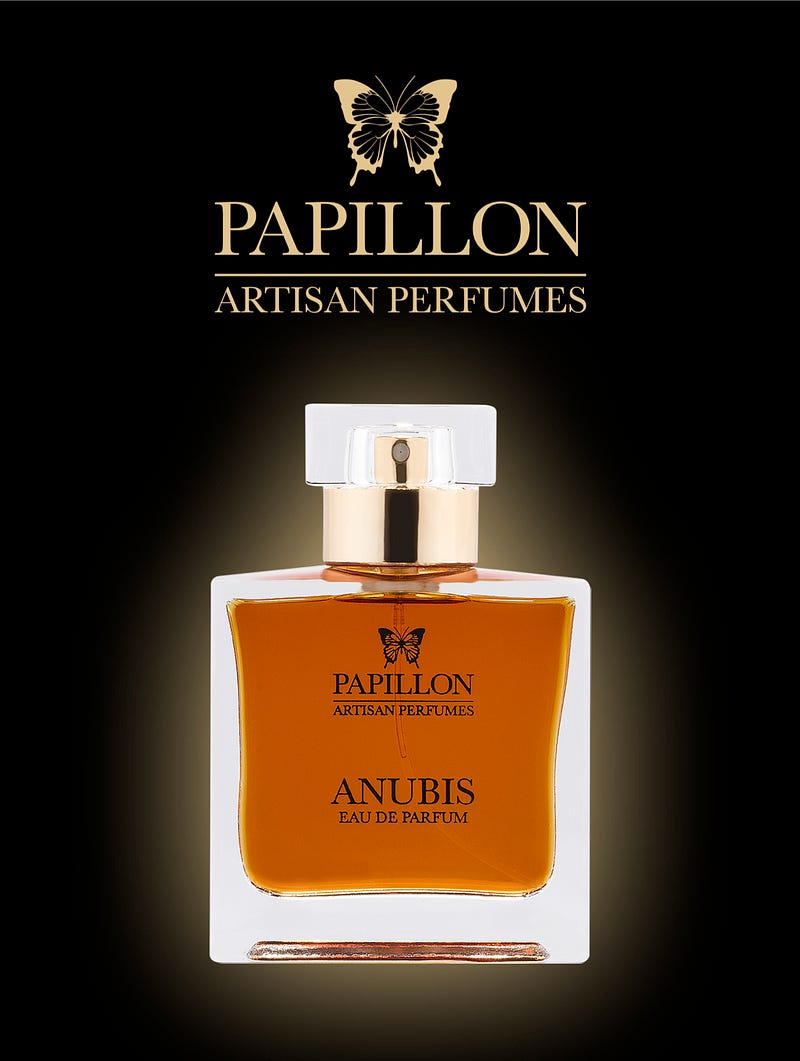
Image Credit: stephanmatthews.com
Which brings me to my burning question: What perfume houses are so good you might as well blind-buy every single thing they make? Should you trust a lineup crafted by different perfumers, or bet everything on one master nose?
Let’s talk about Papillon Perfumery — an underdog, an indie beacon, and my latest obsession. Papillon is helmed by Liz Moores, who made a bold, mid-life leap to become a perfumer, and it shows. She’s the owner, the creative nerve, the nose. Papillon’s formulas are luxury: high oil concentrations teasing the boundaries of Parfum, but sold at Eau de Parfum prices. Liz obsesses over ingredients and consistency. No reformulations — just unchanging excellence. In only 11 years, she’s dropped just 10 perfumes, each a world, each a story. Let me walk you through the lineup:
- Spell 125 — Inspired by the soul’s odyssey through the underworld, anchored in the Egyptian Book of the Dead.
- Bengale Rouge — A lush, resinous rose, warmed by honey, iris, labdanum, and vanilla.
- Hera — Jasmine, orange blossom, iris — conceived for her daughter’s wedding, packing raw emotion.
- Epona — Born from Liz’s love for horses; rumor has it, the passing of her own horse inspired this heartfelt tribute.
- Anubis — “A sarcophagus of suede and resins,” as reviewer Ramsey puts it, “…a pharaoh wrapped in suede, immersed in incense” — absolutely next level.
- Dryad — A spellbinding forest — mystical, woody freshness, ancient and alive.
- Salome — Carnation, jasmine, Africa stone. Forget “feminine” labels — I’m a straight man and this is my ride-or-die. Just bought a backup bottle.
- Angelique — Iris, mimosa, champaca. Haven’t grabbed this one yet, but in this lineup, “least impressive” still means stellar.
- Tobacco Rose — Bulgarian and French rose swirled with beeswax, ambergris, oakmoss. Dark — and deeply addictive.
Every Papillon perfume is a story — and each is absolutely worth buying. I’ll let you in on another gem of a house in a future post. For now, ask yourself: Are you buying soul, or just a scent?