How (not) to buy perfumes
For most of my adult life, my perfume story was pretty basic: buy one bottle, empty it down to the last drop, march back to Neiman Marcus or Bloomingdale’s, and let a well-meaning sales associate sell me on next season’s bestseller. I wasn’t “choosing” — I was consuming, like most people do. That all changed few years ago when I tumbled down the fragrant rabbit hole with intention and curiosity. What follows are the biggest lessons that completely changed how I buy, enjoy, and think about perfume.
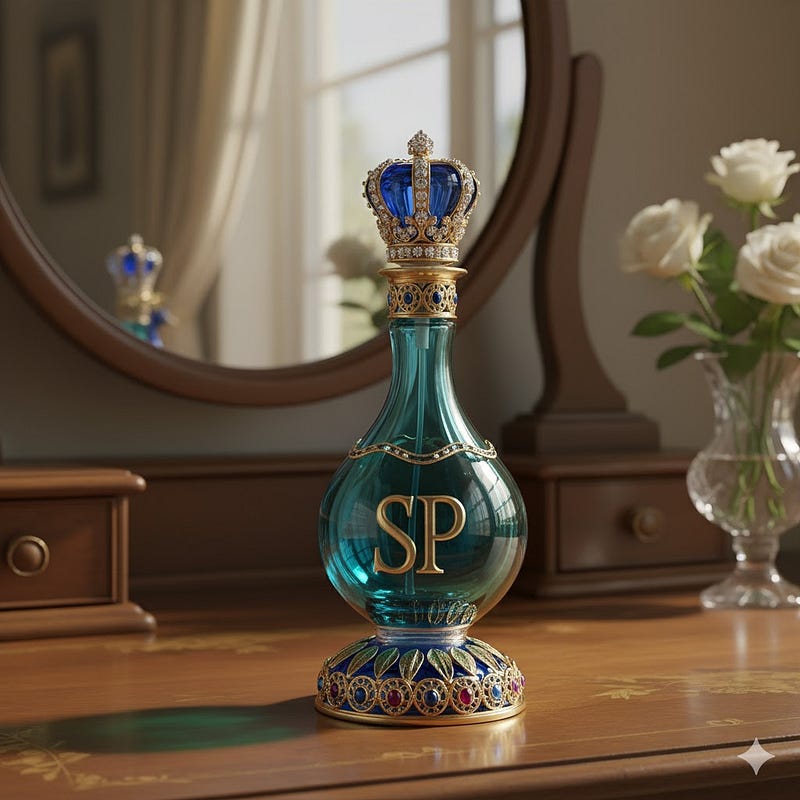
Storied Perfumes. Generated by Google Gemini
1. Price Does NOT Equal Quality — Forget what the influencers and glossy boutiques tell you. Yes, expensive perfumes might use rare ingredients — oud, Bulgarian rose, vintage sandalwood — but science and industry experts agree: price tag alone doesn’t guarantee a better scent or quality. Some of my most complimented scents have cost less than $1/ml, with some stunners under the $0.50/ml mark. Meanwhile, there are plenty of forgettable (even unpleasant!) high-priced options marketed as “exclusive.” My advice: If you’re just starting, don’t eliminate perfumes because they are cheap. Fact is, some good ones are also inexpensive, and punch far above their weight.
2. There Are No Perfume Genders — This is one of the biggest myths in fragrance, woven into the industry by clever 19th-century marketing — not by perfumers themselves. Historically, fragrances were genderless. Anyone can wear anything. Aquatic notes, florals, incense, leather — these are notes, not gender identities. Limiting yourself with “for men” or “for women” labels only shrinks your world of scent. Find what lifts your spirit.
3. Who Are You Wearing It For? — Get clear on your intent every time you shop or spray. If you want to enjoy a scent for yourself, lean toward higher concentrations (like extrait or parfum) with close-to-skin sillage. If you want the world to take notice (the “walk past and make ’em sniff” effect), you might seek powerhouse notes and diffusion — even if they don’t last as long. Or even pick the blockbusters! Your choices can be as personal or as public as you want, but be intentional.
4. YouTube is your friend —You can find committed and devoted perfume reviewers on YouTube. Some perfumers themselves have put out content for us to learn from, including some free Masterclasses. Make the best of it, and go in with an intention of learning. Of course, stay away from the brigaders who promise you money, power, or sex that comes from wearing a perfume.
5. All-Natural Scents Are a Myth — Even perfumes that claim 100% natural credentials use some synthetic notes. Modern perfumery is a tapestry of naturals and lab-created molecules — synthetics give us beloved modern notes, stability, and essential features like longevity and projection. Skin reactions? Both naturals and synthetics can cause them. Regulatory agencies like IFRA impose strict limits on all ingredients for safety — your nose and your health are well protected (and yes, a molecule is a molecule, regardless of its origin).
6. The Bottomline — Perfumes Won’t Change Who You Are. Can fragrance make you interesting, confident, or irresistible? In a word: nope. Scents can trigger memories, set moods, and boost your day, but don’t fall for the hype that this bottle will make you the talk of every room. “Wear the scent — don’t let it wear you.” Authenticity and self-assuredness aren’t sold at the beauty counter.
Your fragrance journey is about curiosity, experimenting, and ultimately wearing what makes you feel alive — not what a department store end cap or a viral video says should. Smell widely, buy intentionally, ask questions, and keep your mind — and nose — open.
What’s one myth you wish you’d unlearned sooner? Drop your story below!